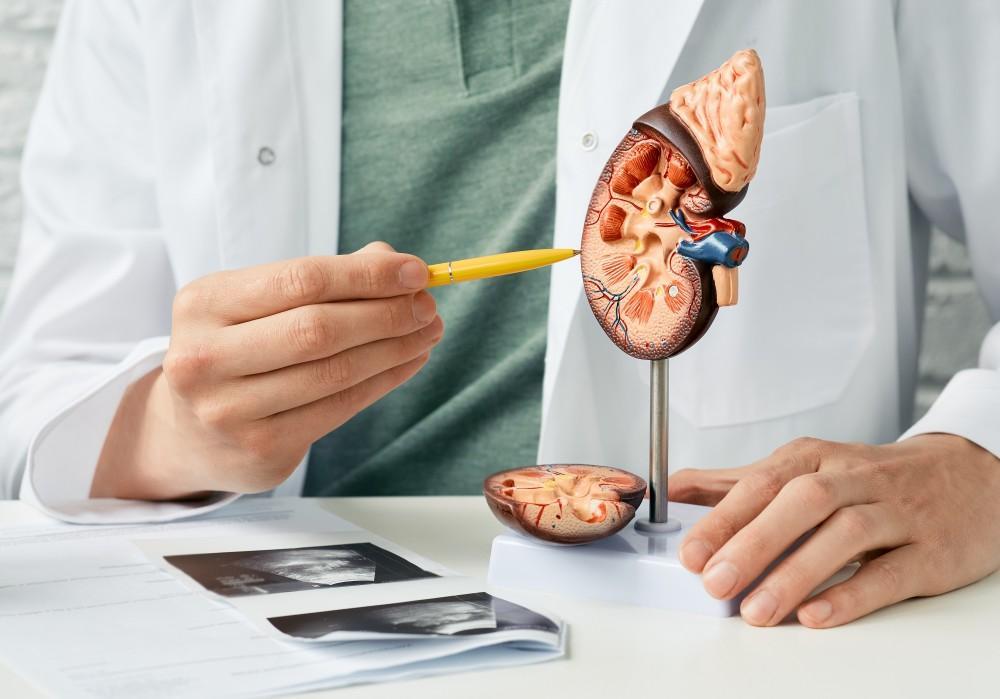
Your kidneys do a remarkable job of keeping your body running smoothly, filtering waste from your blood, balancing fluids, and helping regulate your blood pressure. Unfortunately, some simple, common habits could be damaging your kidneys, even though you don’t notice any symptoms (yet).
The good news: A few simple changes can work wonders. Here, our team at Houston Kidney Specialists Center reviews five simple habits you might want to reconsider so your kidneys get the support they need.
1. Eating too much salt
It’s true — salt can definitely make food taste better, and a very small amount is usually OK. The problem is, most of us consume way too much, not necessarily from our own salt shakers, but from the snacks, packaged foods, and convenience meals we eat.
Eating too much sodium raises your blood pressure, and over time, unmanaged hypertension damages your blood vessels, including the blood vessels in your kidneys. Once the tiny vessels inside your kidneys are damaged, it makes it much harder for your kidneys to function the way they’re supposed to — and over time, it can lead to chronic kidney disease (CKD).
The good news: You don't have to give up your favorite foods to cut back on sodium. Try comparing nutrition labels, choosing lower-sodium options, and adding flavor with herbs, spices, or lemon juice instead of extra salt. These simple changes help support healthy blood pressure and protect your kidneys at the same time.
2. Not drinking enough fluids
Your body needs plenty of fluid to function properly, but when you're busy, it's easy to go hours without reaching for a glass of water. The problem is, even mild dehydration can wind up reducing blood flow to your kidneys, and severe dehydration can cause kidney damage.
Carrying a water bottle with you can make drinking throughout the day easier, especially when you're physically active or the environment around you is hot or dry. While general guidance advises taking in 11.5—15.5 cups of fluid per day, the amount you need can vary — especially if you already have kidney issues. Our team can recommend the right amount to keep you healthy and avoid overtaxing your kidneys.
3. Using pain relievers too frequently
If you regularly take ibuprofen or naproxen for headaches, arthritis, or other aches and pains, it's worth discussing this habit with our team. Known as nonsteroidal anti-inflammatory drugs (NSAIDs), these medications can lead to kidney damage, especially when used frequently or at high doses.
In most cases, you don't need to worry about occasional use. But if you use these medicines on a regular basis, it’s worth discussing with our team or your general practitioner, especially if you have high blood pressure, diabetes, or existing kidney problems. We can suggest alternatives to keep you comfortable while still protecting your kidneys and your overall health.
4. Smoking
You probably know smoking affects your lungs and your heart, but what you might not know is that it’s bad for your kidneys, too. The chemicals in tobacco smoke damage blood vessels throughout your body, interfering with the blood supply to both your kidneys and inside the organs, where filtering takes place. A smoking habit also contributes to high blood pressure, which in turn increases the risk of chronic kidney disease.
Quitting isn't easy, but fortunately, you don't have to figure it out alone. Our team can provide you with resources that can help, and there’s plenty of online help, too. Check out Smokefree.gov to get started.
5. Putting off blood pressure and blood sugar checks
We’ve already touched on how high blood pressure can damage your kidneys. Regular blood pressure screenings help you manage your blood pressure more effectively. Tests during doctor visits are fine, but consider looking into a cuff for your home too.
Having regular blood sugar (glucose) tests is important too. In fact, diabetes is the leading cause of CKD. Both blood and urine tests help identify early, subtle changes long before you notice any symptoms on your own.
Give your kidneys a little attention
Your kidneys work hard to keep you healthy. Taking a few steps to return the favor ensures they function the way they’re supposed to while improving overall wellness.
At Houston Kidney Specialists Center, our team can help you understand your kidney function, identify risk factors for kidney problems, and manage conditions like hypertension and diabetes that can damage your kidneys over time. To schedule your personal evaluation, request an appointment online or over the phone at our practice locations in Cypress and Houston, Texas, today.